Benefits of Vermiculite Across Industries
Natural minerals are known to have many benefits for the health and wellness of various living things. Vermiculite is no different. This silvery-gray, flaky-mica-like mineral has many uses in the garden and beyond. Exploring the benefits of vermiculite starts from the ground up.
Vermiculite is mined and exfoliated through a hot, pressured process. When heated, it expands to create a lightweight, sterile product. While vermiculite can trap nutrients in its porous form, it doesn’t contain any additional nutrients to contribute. Therefore, it needs to be mixed with other materials to help do its job.
How Vermiculite Works in Soil
Vermiculite is used as a soil amendment to help improve plant health. Once it expands, it retains moisture which helps to enhance soil texture, water absorption, and drainage. Adding vermiculite to heavier soils helps to lighten the mix and make room for roots to stretch. Since it’s sterile, gardeners don’t have to worry about it attracting pests or disease.
Additional vermiculite benefits include:
- Lightweight property is easier to use with potted plants or heavy soils that dry out quickly.
- Slowly releases absorbed water and nutrients to plants over time.
- Neutral pH doesn’t alter the soil acidity.
- Add to heavy clay soil to help improves drainage and prevent waterlog.
- Improves water retention of sandy soil that drains too fast.
- Insulating properties help to regulate soil temperature indoors and out, protecting plant roots from extreme temperatures and helping to prevent soil erosion.
- Makes an effective medium for starting seeds and anchoring new, tender root cuttings.
- Store overwintering bulbs, root crops, and plants indoors and let vermiculite absorb moisture to prevent decay.
- Add a thin layer to newly seeded lawns to help keep grass seed moist.
- Best for plants that like moist soil.
Even with all of its benefits, it’s still important to use some caution around vermiculite. Avoid breathing in the small particles by using it outdoors and wearing a dust mask, goggles, and gloves when handling.
Before you use any soil amendment or plant product, it’s crucial to consider the specific plant needs and potential drawbacks.
Versatile Uses of Vermiculite
Who would have thought the same mineral used to nurture plants could also be used to strengthen concrete and protect steel beams from fire? This versatile material can be used across industries including horticulture, hydroponics, commercial, and construction.
In addition to its beneficial planting properties, the following characteristics make it a durable choice in more extreme conditions.
- Trapped air pockets make it a highly effective insulator against heat and sound.
- Low thermal conductivity slows the rate at which steel heats, which not only helps extend structural integrity, but it also provides critical time for evacuation. Use in plasters, boards, and coatings for structural steel.
- Provides a lightweight cushion for packing material.
- Its ability to absorb large volumes of liquid makes it helpful in cleaning up spills, especially hazardous ones.
- Its inertness won’t react with aggressive chemicals.
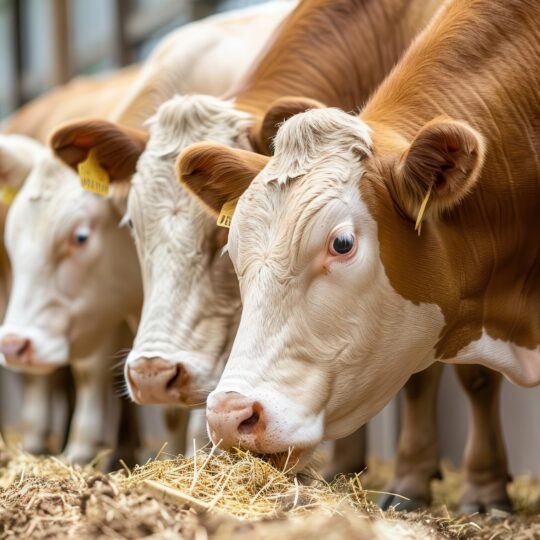
- Use fine grade vermiculite as an anti-caking agent to prevent animal feed from clumping
- Serves as a carrier for liquid additives, like vitamins, ensuring they are evenly distributed throughout animal feed mixtures.
Even with all its versatility, not all vermiculite is used in the same way.
Grades of Vermiculite
Vermiculite is available in different particle sizes, or grades. The type of vermiculite you use will depend on where you use it. Choosing the right grade is essential for optimal performance.
- Fine Grade. Has the highest water retention and creates a more consistent medium. Best used for seed germination and potting mixes for small containers.
- Medium Grade. The most versatile with the ability to help balance water retention and aeration. Use for general soil amendment, hydroponics, and propagating cuttings.
- Coarse Grade. Provides maximum aeration and drainage for conditioning heavy clay soils. Also used for loose-fill insulation and lightweight concrete.
With all of its versatility and benefits, it’s no wonder multiple industries choose vermiculite as a sustainable material for a range of applications. Be sure you get the right grade from a quality distributor to support all of your horticultural and industrial needs.